Ruth 1; Samuel 1-7
“My Heart Rejoiceth in the Lord”
June 1 - June 7
scriptures
quote
Blessings from Helping the Poor
<p>Scriptures teach us that the poor—especially widows, orphans, and strangers—have long been the concern of God and the godly. The poor have been especially favored by the law. Old Testament teachings authorized poor persons at harvest time to glean after the reapers (Ruth 2:7; Lev. 19:10; Lev. 23:22). At fruit-picking time, what was left hanging on branches belonged to the poor. In the sabbatical seventh year, and in the jubilee fiftieth year, land was not planted nor tilled, and what grew of itself was free for the hungry.</p> <p>To those who cared for the poor, blessings were promised. The Lord would deliver them in time of trouble.</p>
Russell M. Nelson, “In the Lord’s Own Way”, April 1986 General Conference
commentary
Ruth: Introduction
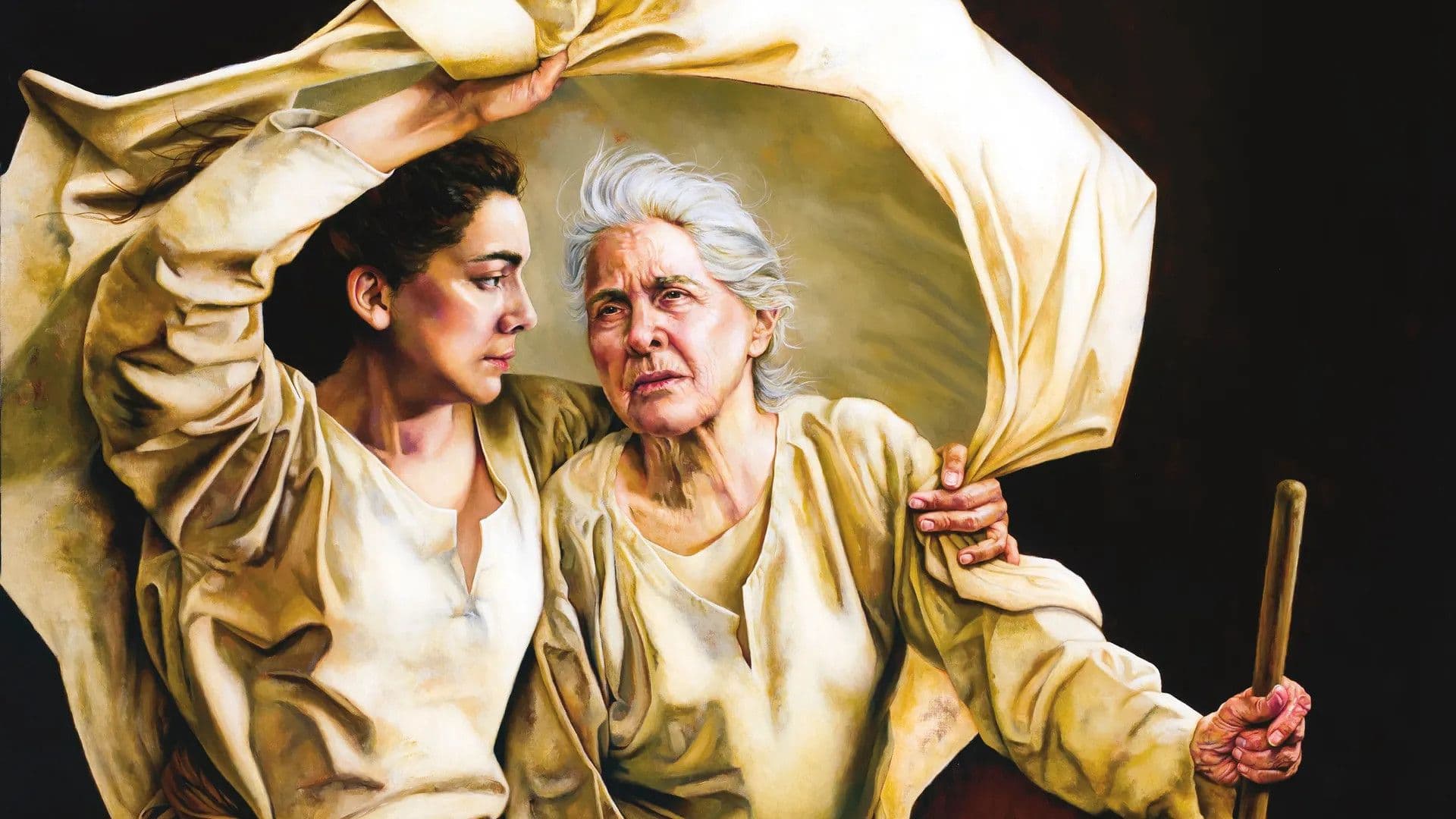
<p>The book of Ruth takes place during the reign of the judges in Israel sometime between 1200 and 1020 BC. Most scholars believe this story was passed down orally for generations before it was written down. It is still retold by observant Jews during the Feast of Weeks, which is the second of the three sacred festivals observed by the ancient Israelites and Jews today (see Leviticus 23). Since this feast takes place fifty days, or seven weeks, after Passover, it is sometimes called Pentecost, which means “fifty.” This feast celebrates the first fruits of the wheat harvest. To the Jews, this celebration is known as <em>Shavuot</em>, which is Hebrew for “weeks.” Anciently, like the other two feasts, this celebration required ritual and offerings made at the temple.</p> <p>The book of Ruth is extraordinarily about ordinary people. Rather than depicting royalty, wars, teachings of the prophets, or the history of the people, the book of Ruth is about ordinary people living in difficult times. It is usually told as a story of love and loyalty, but more than that, it is a story of hope. Naomi and her daughter-in-law Ruth encountered many trials and devastating experiences that tested their faith, but in the end, God prepared a way for their happiness and welfare just as He has promised all of us who trust in Him. “‘For I know the plans I have for you,’ declares the Lord, ‘plans to prosper you and not to harm you, plans to give you hope and a future’” (Jeremiah 29:11 New International Version). Redemption is also an important theme in the book of Ruth. Various forms of the Hebrew word for <em>redemption</em> occur twenty-three times in the book.</p> <p>The books of Ruth and Esther are the only books of the Bible named after women. While this book is named after Ruth, it is as much about Naomi as it is about Ruth.</p> <p>Ruth was the great-grandmother of King David and was one of only four women mentioned in the genealogy of Jesus Christ (see Matthew 1:5). Her inclusion seems to illustrate that participation in the house of Israel is not about blood and genetics (Ruth was a non-Israelite by birth) but about trust in and obedience to the will of God.</p> <p> </p> <p><strong>Author:</strong> Sherrie Mills Johnson<br /><strong>General Editor:</strong> Taylor Halverson<br /><strong>Associate Editor:</strong> Morgan Tanner<br /><strong>Senior Editor:</strong> Sarah Whitney Johnson<br /><strong>Assistant Editor:</strong> Sam Lofgran<br /><strong>Assistant Editor:</strong> Verlanne Johnson</p>
Old Testament Minute: Ruth by BMC